
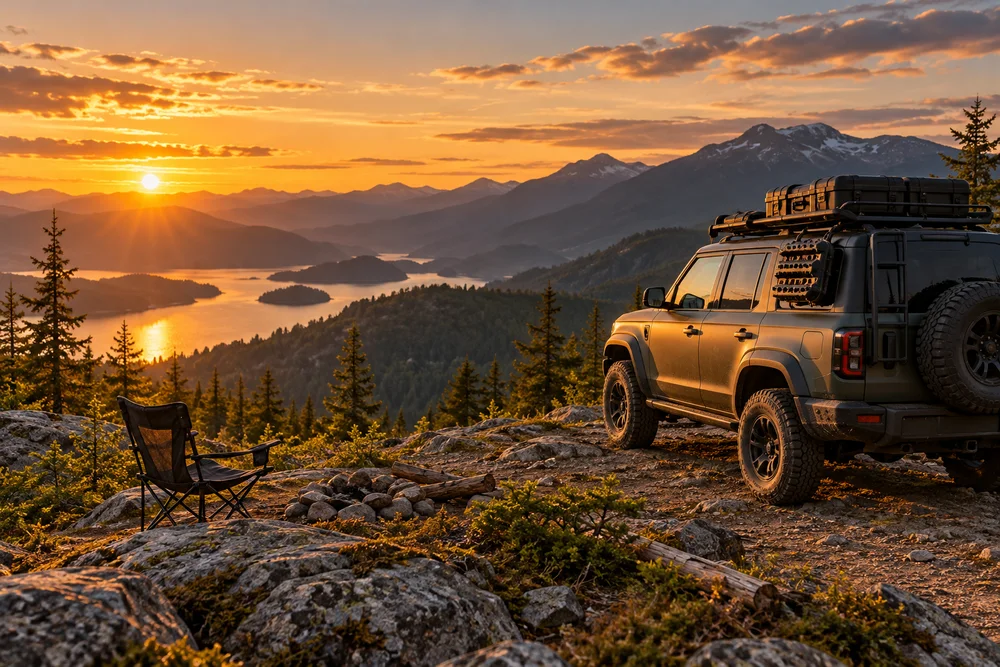
Choose a portable solar panel by checking your power station’s voltage, current, connector, and input limits first. Then compare packed size and deployment needs. A panel’s rated wattage is a reference under test conditions, not a promise of constant output at camp.
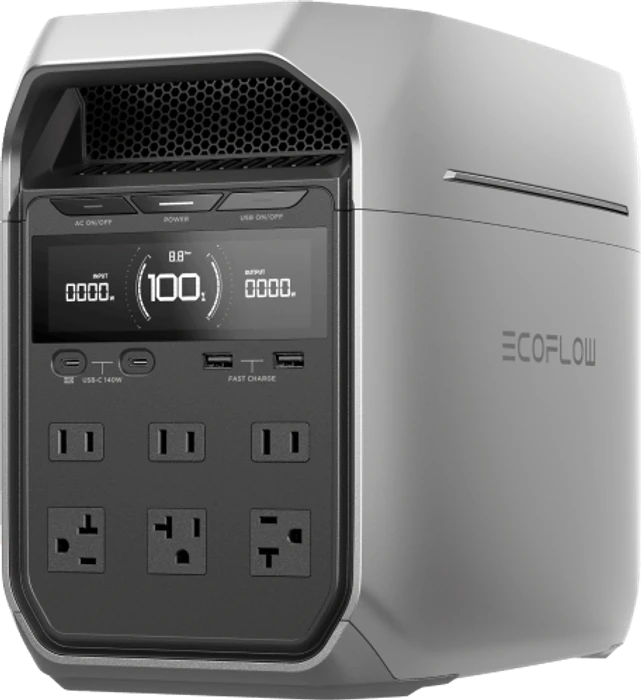
EcoFlow DELTA 3 Plus
A capable camp power hub. A 1,024Wh LFP power station with 1,800W rated AC output, suited to a camp setup that needs more than a phone power bank.
Compatibility comes first
Read the station’s solar input requirements and the panel specifications together. Voltage must remain within the permitted range, including the panel’s open-circuit voltage under the conditions specified by the manufacturer. Current limits, connectors, and any adapters also need to match. Use the manufacturer’s guidance for series or parallel connections.
Rated watts are not daily energy
A panel’s watt rating describes power under defined conditions. The energy collected during a day depends on useful sun, orientation, temperature, shade, and system limits. A 200W panel does not collect 200Wh during every hour outdoors. Avoid planning an entire trip around the assumption that it will.
Think about where the panel will sit
Portable panels need a place to deploy and sometimes attention as the sun changes position. Parking the vehicle in shade can be comfortable, while the panel needs sun. Check cable length, safe routing, surface stability, and the manufacturer’s environmental limits. A large folding panel can be inconvenient if it rarely leaves its bag.
Buy around your energy gap
Estimate the energy you use between dependable recharges, then consider what solar can reasonably replace. Start with a measured device load and keep another charging option where the trip requires it. More panel capacity only helps when the station can accept it and you can deploy it effectively.
A few good questions.
Can I use another brand’s solar panel?
Possibly, if the electrical specifications, connectors, and manufacturer requirements are compatible. A matching connector alone does not prove compatibility.
Will a solar panel charge in shade?
Output falls with reduced light and can be affected strongly by partial shading. Plan around a suitable sunny deployment area rather than assume useful charging in shade.
Our approach
Written by Outdoor Gear Verdict Editorial. Product-specific facts come from the linked reviews and their manufacturer sources. Recommendations reflect the use cases and tradeoffs discussed. Read our editorial standards.