

Stop heat loss to the ground first: use a sleeping pad with an R-value suited to the season, around 2 to 4 for three-season camping and 5 or more for winter. Choose a sleeping bag by its comfort rating rather than its limit rating, sleep in dry layers, eat before bed, and ventilate the tent to cut condensation.
- The ground pulls heat away faster than the air; your pad matters as much as your bag.
- R-values are additive: stack pads to increase warmth.
- Use the comfort rating of a sleeping bag, not the limit rating, as your guide.
- Dry clothes, a snack, and a warm water bottle help more than piling on blankets.
Why you get cold at night
- Conduction. The ground pulls heat from your body through your sleeping pad. A thin or uninsulated pad is the most common reason campers feel cold.
- Convection. Wind and drafts carry warm air away from you.
- Evaporation. Damp clothes and sweat cool you quickly.
- Radiation. Your body radiates heat to cold surroundings, which a good bag helps trap.
Sleeping pad R-value
R-value measures resistance to heat flow. Since 2020, most major brands test pads to the ASTM F3340 standard, which makes R-values comparable across brands. Values add up, so placing a closed-cell foam pad under an inflatable pad increases warmth.
| Conditions | Suggested R-value |
|---|---|
| Summer, warm nights | 1 to 2 |
| Three-season | 2 to 4 |
| Cold shoulder season | 4 to 5 |
| Winter, frozen ground | 5 or higher |
Sleeping bag temperature ratings
Many bags are tested to ISO 23537, which reports a comfort rating, the temperature at which a typical cold sleeper stays comfortable in a relaxed position, and a lower limit rating, the temperature at which a typical warm sleeper stays warm curled up. The extreme rating is a survival figure, not a target.
Choose a bag with a comfort rating at or below the coldest temperature you expect, and go lower if you tend to sleep cold.
Layers that work
- Base layer: dry merino wool or synthetic, never the cotton you hiked in.
- Mid layer: fleece or a light insulated jacket for camp.
- Extras: a warm hat, dry socks, and a buff or neck gaiter.
Field tipChange into dry sleep clothes before you get in your bag, and keep tomorrow's clothes in the foot of the bag so they are warm in the morning.
Simple tricks that help
- Eat a snack before bed. Digesting food produces heat.
- Warm up before you lie down. A few minutes of movement helps your bag warm faster.
- Use a hot water bottle. Fill a sealed, heat-safe bottle with hot water and put it in your bag.
- Use the bathroom before bed. Your body spends energy keeping that liquid warm.
- Ventilate the tent. Cracking vents reduces condensation that dampens your bag.
Safety firstNever use a fuel-burning heater, stove, or grill inside a tent or closed vehicle. Carbon monoxide can kill without warning.
A few good questions.
What R-value do I need for camping?
Around 2 to 4 for three-season camping and 5 or higher for winter or frozen ground. Stack pads to combine their R-values.
What does the comfort rating on a sleeping bag mean?
It is the temperature at which a typical cold sleeper stays comfortable in a relaxed position, under the ISO 23537 test. It is the best guide for choosing a bag.
Why am I cold in my sleeping bag?
Most often because heat is escaping into the ground through a thin pad, your clothes are damp, or the bag is rated too warm for the conditions.
Is it safe to use a heater in a tent?
Fuel-burning heaters, stoves, and grills are dangerous in tents because of carbon monoxide and fire risk. Use insulation, dry layers, and a hot water bottle instead.
Gear that helps.
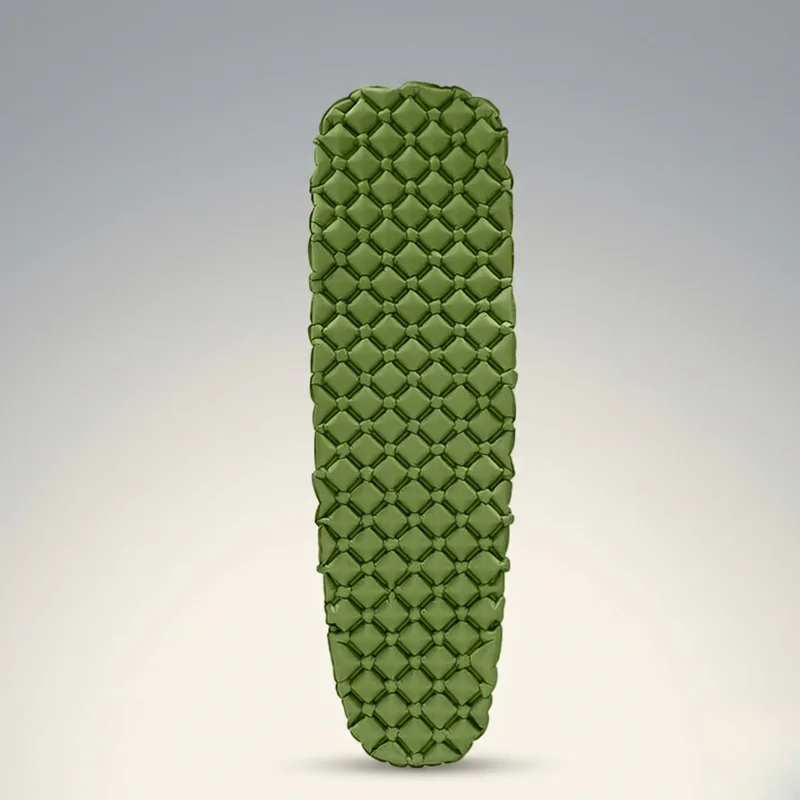
Traverseon R3 Inflatable Sleeping Pad, Army Green
Best forThree-season campers and road-trippers who want an insulated inflatable pad with an inflation bag
An inflatable camping pad with R-value 3 insulation, a 4-layer warming structure, multi-chamber spot-welded construction and a TPU-coated 40D nylon shell.
Read our verdict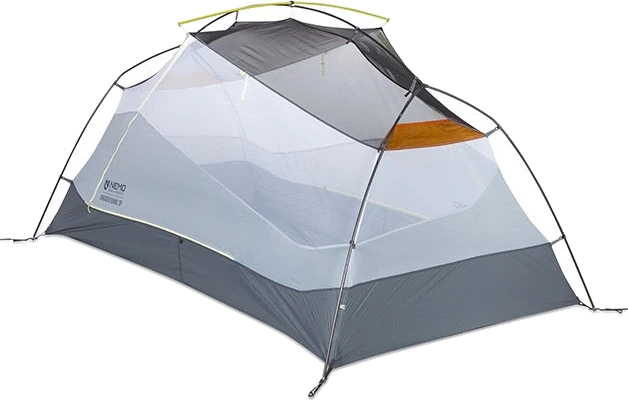
NEMO Dagger OSMO 2P
Best forBackpacking pairs who value livable space
A thoughtfully equipped two-person shelter for backpacking trips where room to sit, organize, and wait out a shower matters as much as packed weight.
Read our verdict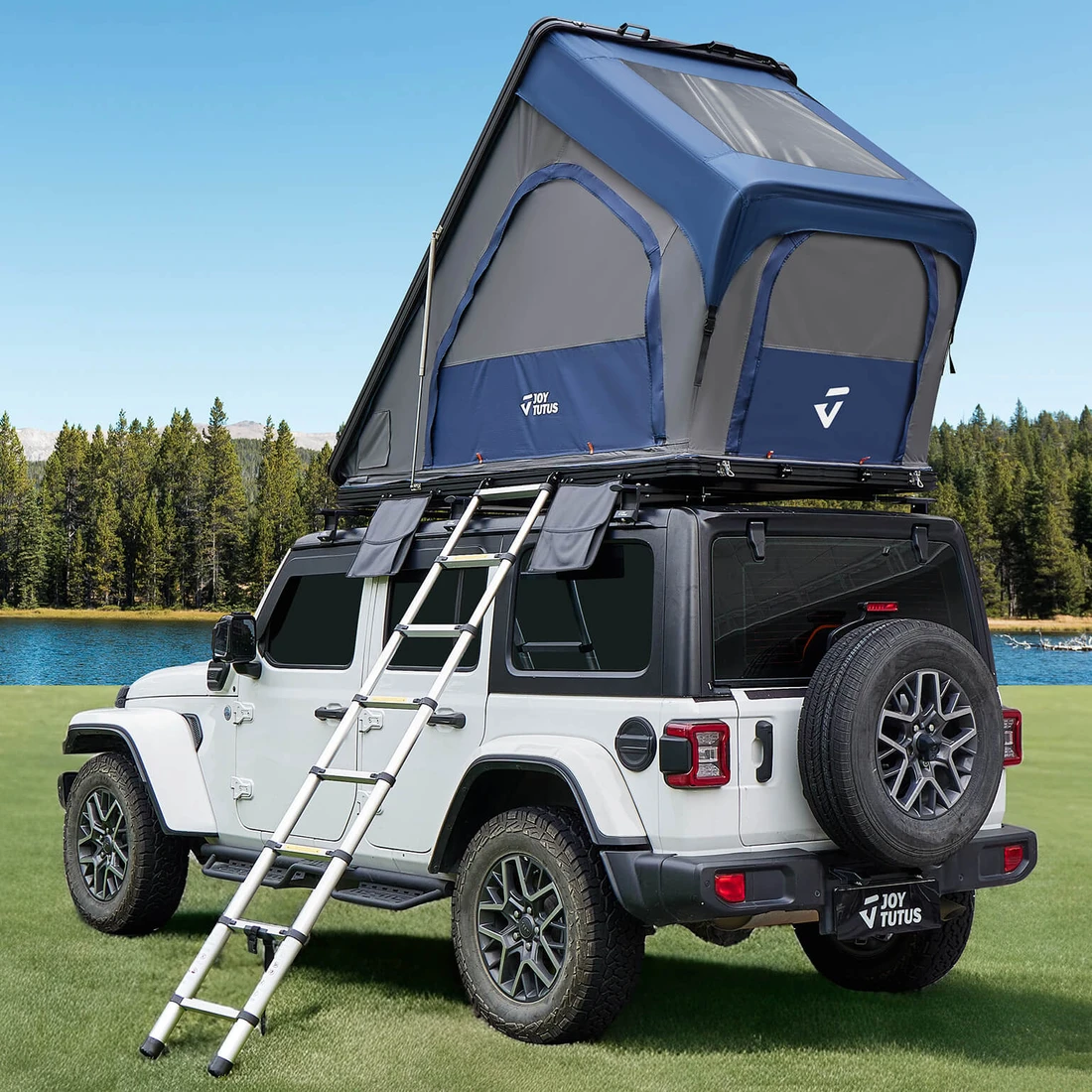
JOYTUTUS H1201-01030-BL Rooftop Tent
Best forOverlanders with a load-rated vehicle and a three-bar roof rack who want a 2–3-person hard-shell sleeping setup
We recommend the JOYTUTUS H1201-01030-BL for overlanders ready for a 2–3-person hard-shell sleeping space, and a 185.2 lb tent, multi-person lift, and three-bar rack.
Save about $195.00 with SEBASTIANBASSOL. Price checked October 16, 2026 · Joytutus US store · Tax excluded. The product description says approximately 15-day oversized delivery while the main page shows a general 3–8-day estimate; confirm delivery details at checkout.
Our approach
Written by Outdoor Gear Verdict Editorial. Grounded in the ASTM F3340 sleeping pad and ISO 23537 sleeping bag test standards. Always follow local regulations and the manufacturer instructions for your equipment. Read our editorial standards.